Competency Development
Business and Enterpreneurship
In my third project in my Industrial Design bachelor, I first worked together with a company, Workplace Vitality Hub. In this project I learned the importance of connecting with clients and stakeholders as early in the process as possible. Aligning project expectations and goals is needed to get the most out of the project for all stakeholders involved. Sharing a project planning and weekly updates with the client and planning regular meetings has helped us get useful feedback and maintain a good connection with our client. My pitching and presenting skills have also improved and I have learned that I must be well prepared and professional, especially when meeting stakeholders.
In the course Design Innovation Methods, I have learned a lot about business. Doing a market analysis, value propositions, defining problems and creating solutions, finance and competition. I can use all the models I have learned to use in this course when working for clients or starting a business.
Creativity and Aesthetics
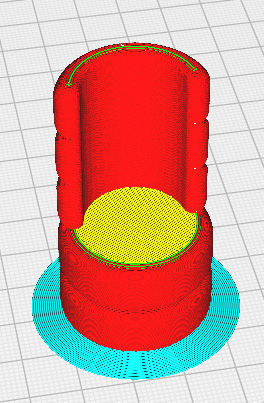
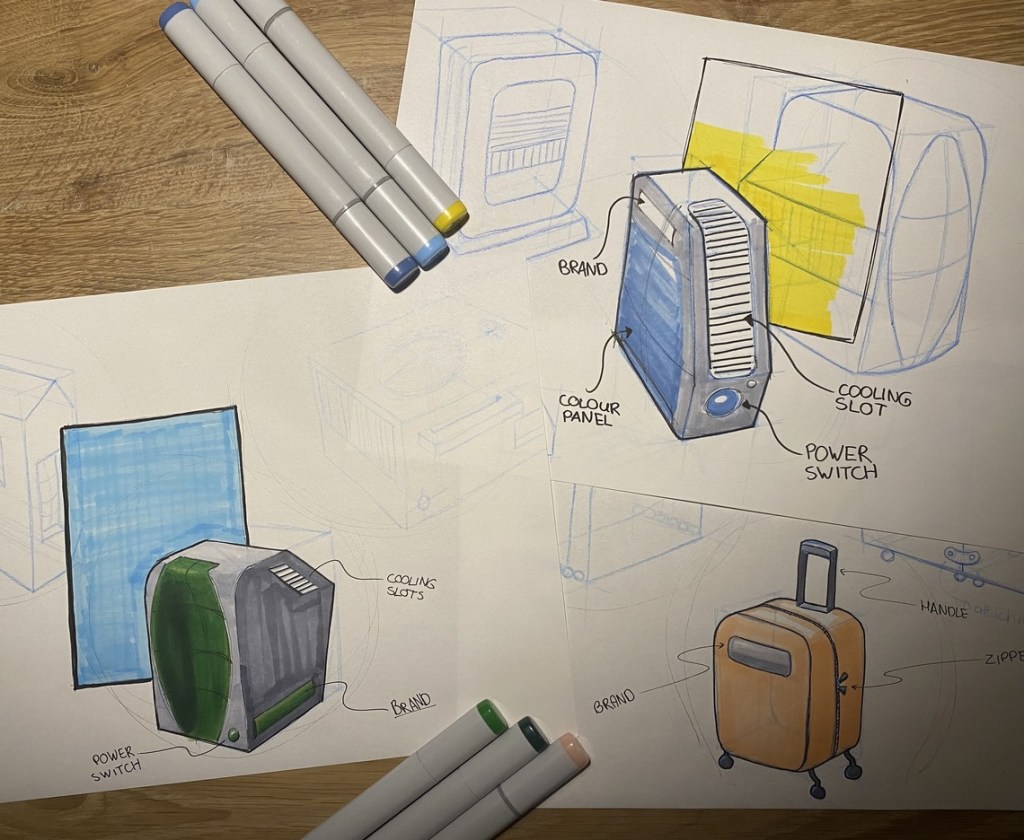
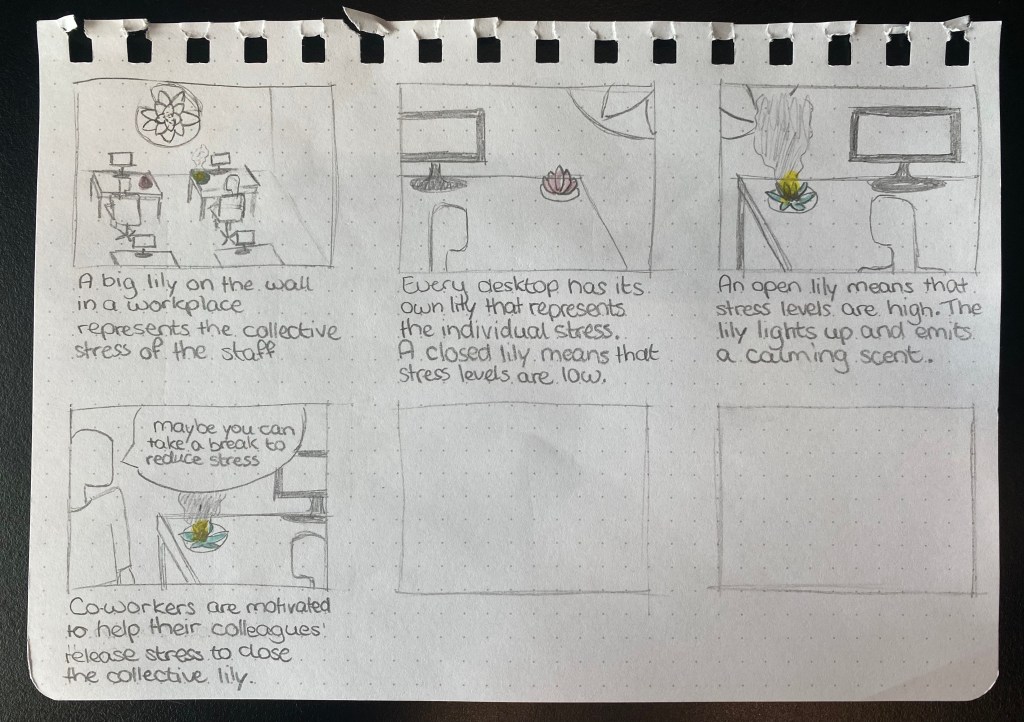
I learned sketching skills with which I learned how to visualize my ideas. Besides learning how to sketch lines, shapes, using color and sketch in perspective, I also learned how to use AI tools to generate realistic images based on sketches. In human-centered design and our challenged-based learning project 1 I learned how to use certain tools for brainstorming like mind mapping and using affinity diagrams, which allowed me to share my ideas and learn to understand and value other people’s opinions. I noticed that when listening to other people’s ideas, I start to get more creative and get inspiration from those ideas. I learned how to create models in CAD software and how to convert this to a 3D-printable model. In Creative Mechanical Engineering I used SolidWorks to create a model for a chair. In Cura I converted this to a printable model. In CBL project 2 I used these modelling skills to create a casing for the electronics for Homely. In project 3 we created an aesthetic pond of lilies that represent the stress levels of workers in an office. We did research and used colours and a lily for a calming aesthetics.


Math, Data and Computing
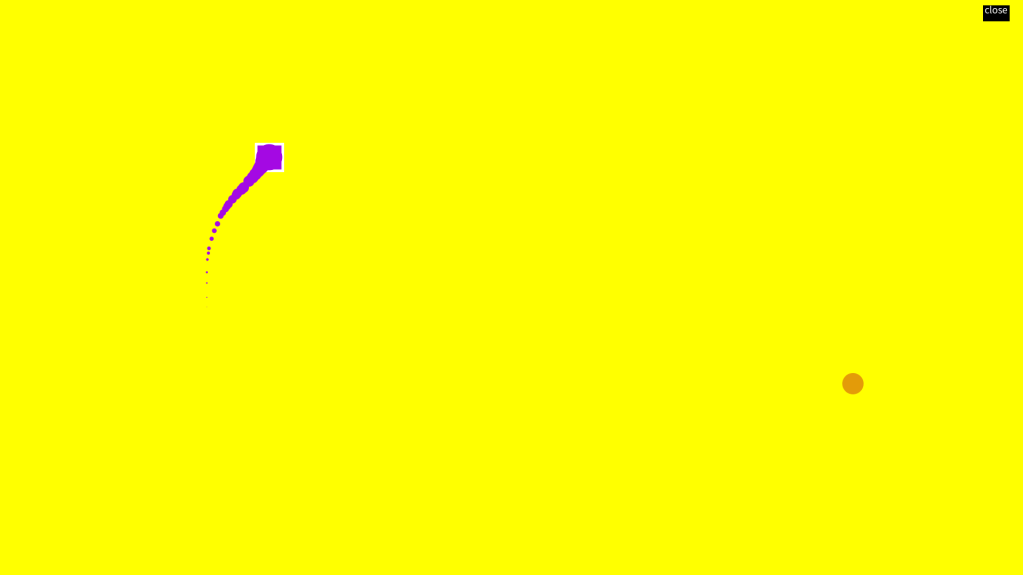
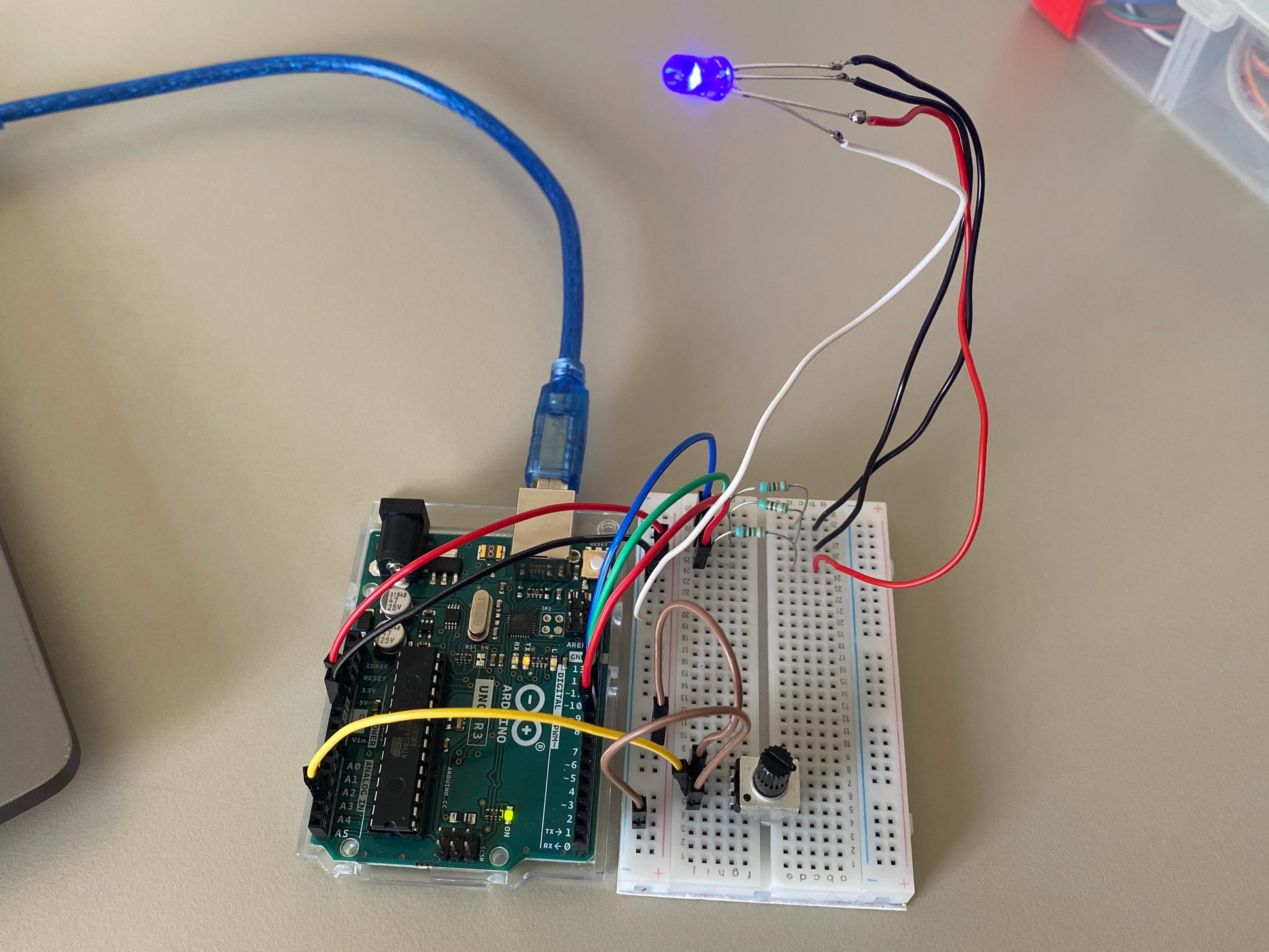
I already had some knowledge on coding using HTML, CSS, Java and PHP, because I has computer science in high school. In Data Analytics, Creative Programming and Creative Electronics (CBL project 2) I developed my Math, Data and Computing skills. I learned a lot more about coding and different coding languages. I learned how to work in Jupyter and create graphs based on data. In Creative Programming I learned the C++ coding language and how to create images and interactive demonstrations using coding in Processing. In both CP and CE, I learned how to work with Arduino Uno, create circuits and create interactive demonstrations using sensors and actuators. In Making Sense of Sensors, I learned how to analyse large files of data collected from a smart watch. Coding and working with Arduino is something I really enjoy and will be working with in my current multidisciplinary CBL project (creating a digital twin for needle insertion). I did not pass the Calculus course last year, but by doing more exercises I managed to pass the course this year.

Technology and Realisation
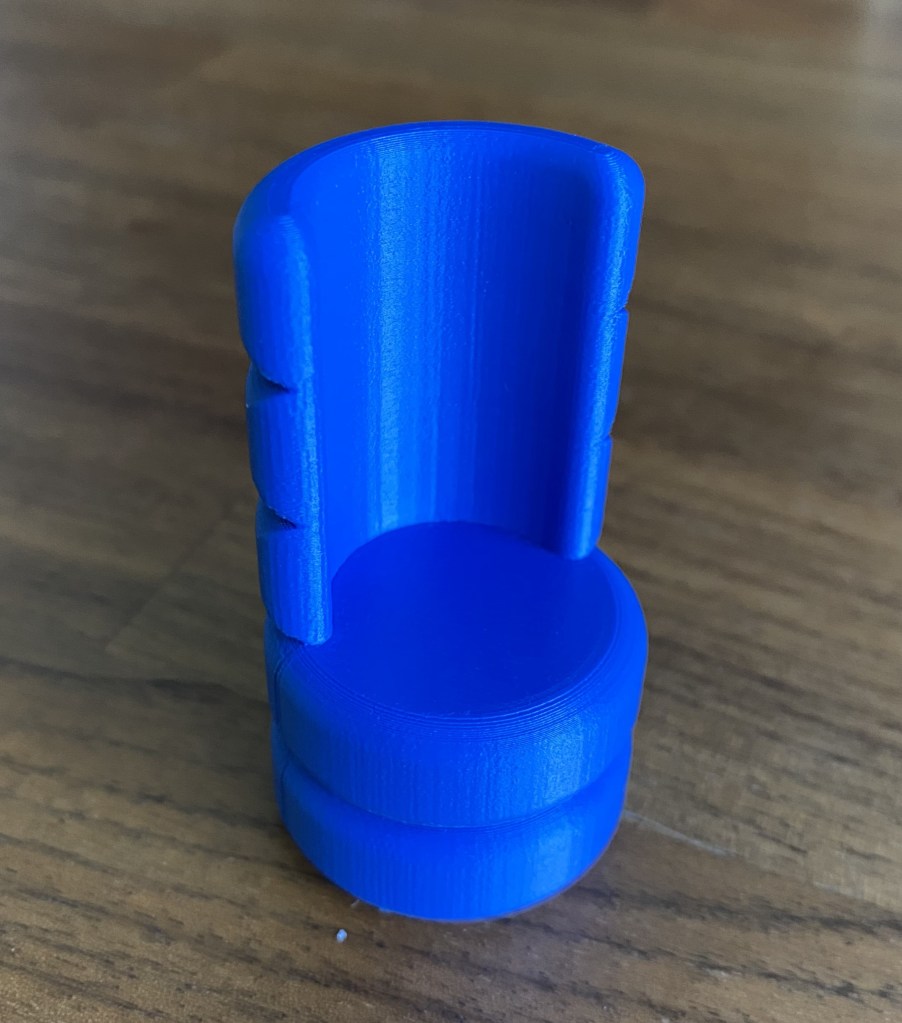
I had some knowledge on programming and how to use that for creating websites. Through trial and error, I have learned how to use coding to make elements move, how to use LEDs and how to use sensors using the Arduino. I noticed that I learn best when I try things by doing and that things are not always as difficult as they seem. At first, I thought that creating images by coding was useless, since sketching is easier and allows you to create the image that you want. But in the Creative Programming course, I learned that it is possible to make very sharp (interactive) images by using coding, since you use vectors instead of pixels. I learned that it is a good way to create sharp logos or animations. Through trial and error, I really learned what the code meant and did. I also learned how to create an interactive demo using Arduino and Processing. Working with CAD software and using 3D printing for prototyping is something I was new to as well. This is useful for testing a product in early stages of a project. In my second project I managed to use this modelling skill to create a casing for the Arduino for the Homely project.


User and Society
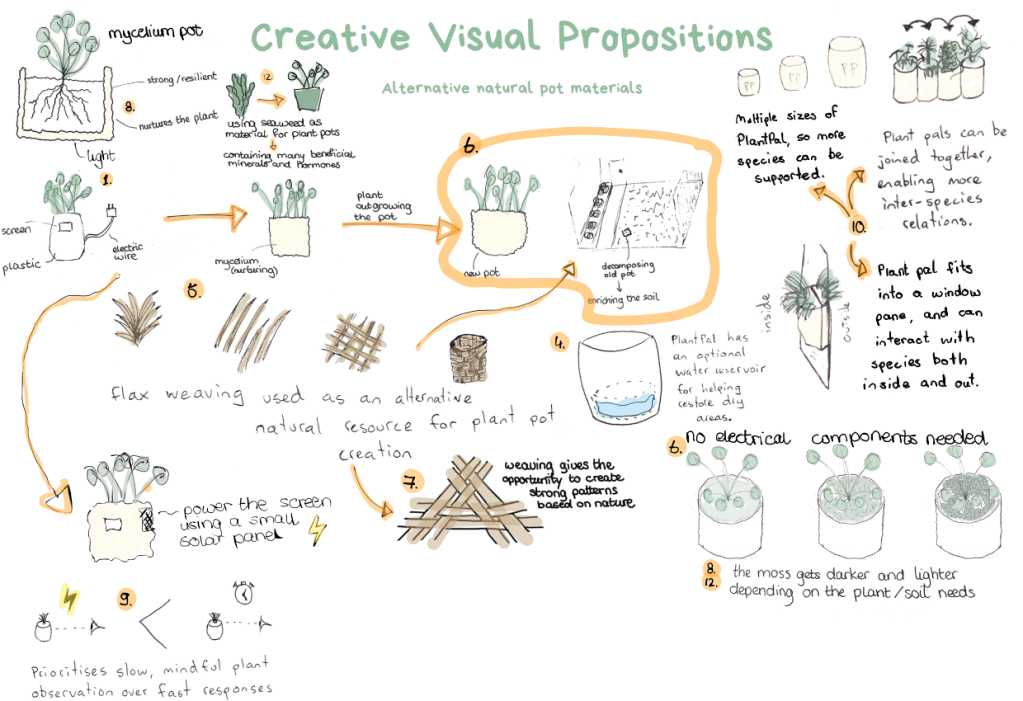
This year I chose the elective ‘intercultural design’, because it will teach me more about different cultures and how to adjust the design process according to the culture you are designing for. This course teaches me a lot that I can use to become the designer I want to be, since culture, behaviour and psychology are closely connected. In CBL project 3 I focused a lot on this expertise area since I felt like I needed to develop more in it. I created a survey, worked with the ERB form and did user testing with our prototype. I realised that a lot of preparation is needed for user testing and that processing the results takes a lot of time. So planning is necessary to be able to validate the product/concept and get feedback. This year I followed the course Sustainability & Design. In this course I learned about how sustainability choices can be made within the design process from three modules: circularity, regeneration and rights of nature. Using R-strategies and system mapping to create a more circular design. Looking into more-than-human relations and using the 12 regenerative principles for better regeneration. And for rights of nature we took on the perspective of an object, created a persona and a manifesto to improve sustainability around this one object. I want to keep using these tools in future projects to help create a more sustainable world.

Design Research Process
My third CBL project (creating awareness on stress in workplaces) and the multidisciplinary CBL project (digital twin for needle insertion) I am currently working on are more research based than my previous project. When designing for medical problems, knowledge on the topic is necessary and user needs must be defined. This can only be done by doing proper research to understand the context and project requirements. Reading about existing projects can save a lot of time on doing research that has already been done by others.
Professional Skills
In P3, we all set personal goals and divided task such that everyone can achieve their goals by working in pairs and learning from each other. For instance, Susan and I wanted to develop in the expertise area of User and Society and therefore conducted the user test. And I helped Anish to think of a mechanism for the petals, since I had learned about mechanisms in P2. In the Multidisciplinary CBL project I am currently working on, I used my knowledge on design process and project management to help guide the project, while I am learning about modelling from my group members from Computer Science. So overall my teamwork and collaboration skills have improved. Personally, I have learned that I need small deadlines to not fall behind, since I tend to postpone work as long as I can. In this multidisciplinary project we are working with weekly individual assignments, in which I am making a lot more progress than I usually did in previous projects. Although I still find it hard to reflect properly, I feel like I am getting better at it, and I know how valuable it is.
Reflection on PDP B2
Goal 1: I want to pass Calculus this year. I am going to keep up with all the homework exercises and do more repetitions to be well prepared for both the midterm and the final test.
- Even though setting this goal helped me to keep a closer eye on whether I am falling behind and keeping up sooner, this was not a very SMART and critical goal. I did not define if I was going to do extra exercises and if, how many. I did not state how many practice tests I was going to do, and I did not mention anything about evaluating and checking my work. These points were needed to make the steps for reaching the goal clearer and would have helped me. I did pass the course and did not fall behind as much as last year and I also did more exercises and ask for help in tutor sessions.
Goal 2: I want to develop my collaboration skills in my project in the Health & Inclusive Design squad. I want to learn how to work with a variety of stakeholders and working in collaboration with clients.
- I did not define steps to achieve this goal. How would I learn to work with multiple stakeholders and collaborate with clients? Creating a plan would have made it easier to achieve this goal. I did learn about professionalism and being well prepared when meeting clients. I learned that in-class discussions can provide valuable feedback and should be considered as stakeholder meetings. After an unprepared in-class discussion, I realised that preparation and attitude is needed to get the most out of these sessions. I would have liked to be in charge of client contact (online).
Goal 3: I want to attend two USE/ITEC courses, so I stay on track to have attended five of them by the end of my bachelor.
- I only attended one USE/ITEC course this year. Since I have added a year to my bachelor, I can do the activities next year. That way, I don’t have to worry about the ITEC point in the final year of my bachelor.
Goal 4: I want to continue improving my English. Therefore, I will continue reading English books every day. I want to read more design related books to familiarise with the terms that are used within design.
- I did read a lot this year, but not about design related topics. I did read about self-improvement and psychology, because my vision has become clearer. In this goal I could have made it more clear why I want to improve my English and what I am going to use this for. Besides, I did not define how long or when I had to read, which made it harder to achieve this goal.
 Megan van Gerwen